Drunken Noodle Near Me: Comparing Spice Levels and Flavor Profiles
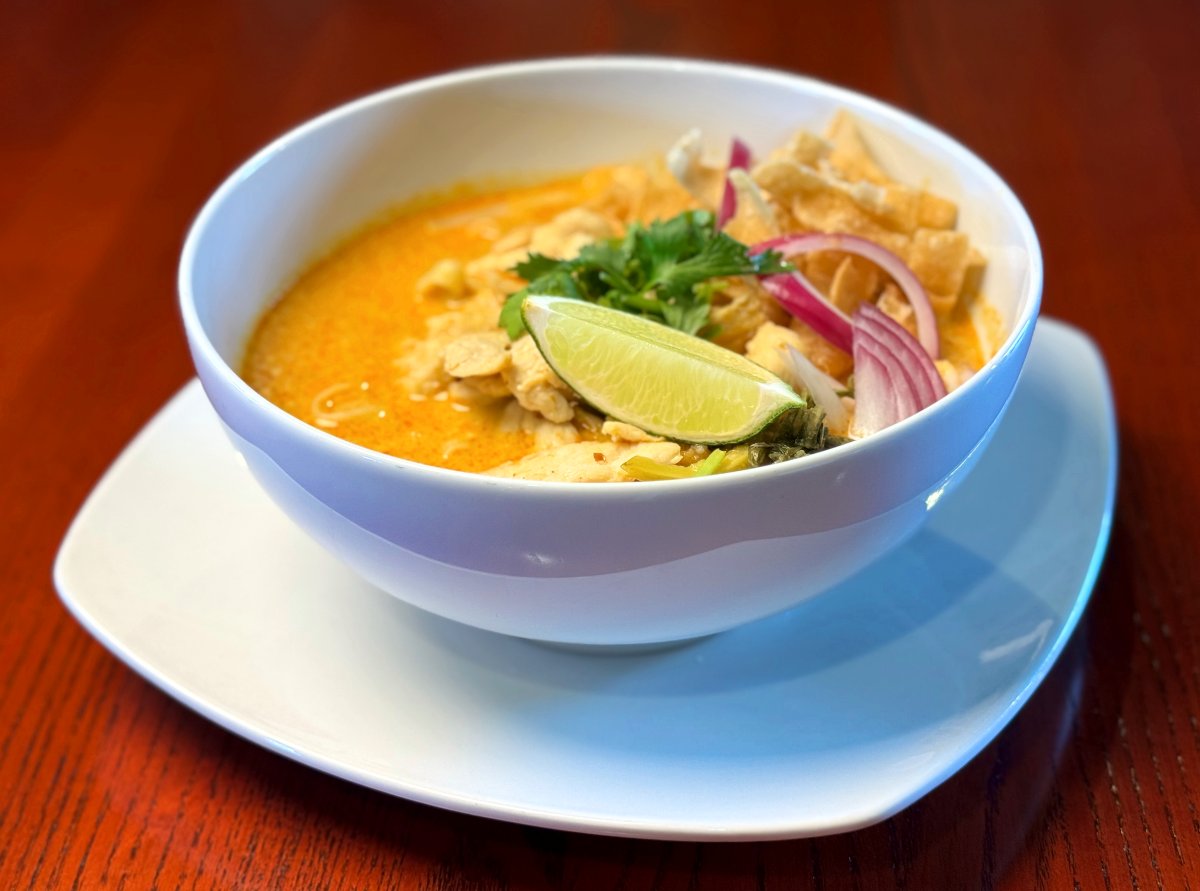
Search for "Drunken Noodles Near Me" in almost any city, and you will find a surprising range of dishes hiding behind the same name. On one menu, drunken noodle arrives glossy, smoky, and loaded with basil. On another, it leans sweeter, with a softer heat and wider rice noodles that soak up sauce like silk. A third version may come roaring out of the kitchen with a chili level that feels less like dinner and more like a dare.
That variation is exactly what makes drunken noodle worth paying attention to. It is one of those dishes that looks straightforward on paper, stir-fried rice noodles, basil, vegetables, protein, chilies, savory sauce, but in practice reveals how a kitchen thinks about balance. The best plates manage heat, sweetness, salinity, char, and texture in a way that tastes deliberate rather than loud. The weaker versions tend to collapse into one-note sweetness, blunt spice, or a puddle of sauce that leaves the noodles limp.
If you order Drunken Noodle regularly, or if you are trying to find the best version nearby, spice level alone will not tell you much. A restaurant can make a https://maps.app.goo.gl/wEbpDYfz5VjY5inF9 very hot plate that still tastes flat. Another can keep the heat at a medium level and deliver more depth through basil aroma, wok char, fish sauce sharpness, and the slight caramelized edge that comes from a proper stir-fry. Once you know what to look for, comparing local versions becomes less random and much more rewarding.
Why drunken noodle varies so much from one restaurant to the next
The first thing to understand is that drunken noodle is not a rigidly standardized dish. Across Thai restaurants in the United States, and even across regions in Thailand and Thai-influenced kitchens elsewhere, you will see real differences in sauce composition, noodle width, vegetable choices, basil type, chili form, and protein preparation. Some of those differences are intentional. Some reflect ingredient availability. Some simply come down to how a cook learned the dish and what the local customer base expects.
A neighborhood restaurant serving a broad lunch crowd may dial back fermented funk and fire, building a sauce that is sweeter and rounder. A more specialist kitchen may push the savory side harder, with fish sauce and soy carrying more of the profile. One place might slice fresh bird's eye chilies into the wok, while another leans on chili paste or a house spice blend. Even the wok station itself matters. High heat changes everything. It can add smokiness, reduce excess moisture quickly, and create those coveted toasted edges on the noodles.
I have had excellent drunken noodle in modest strip mall spots, polished downtown dining rooms, family-run cafes, and places that were technically more pan-Asian than Thai. The common thread in the strongest versions was not strict authenticity theater. It was control. The cook knew exactly how far to push heat, sauce, and texture before the dish tipped out of balance.
What the dish should taste like at its best
A great Drunken Noodle should hit in layers. The first impression is often savory and aromatic, with basil and garlic lifting from the plate before you even take a bite. Then comes the chew of the noodles, ideally tender but not mushy, followed by chili heat that builds rather than detonates. The sauce should cling rather than pool. You want enough sweetness to round out the salt and spice, but not so much that it starts eating like candy-coated takeout.
Texture is usually the detail that separates a strong kitchen from an average one. Wide rice noodles are fragile. If they sit too long, they break down. If they are not heated properly, they can clump or turn pasty. Good versions keep some resilience in the noodle. You should be able to lift a bite and see individual strands or ribbons holding together, glazed and lightly blistered in spots.
The basil matters more than many diners realize. When Thai basil is used well, it brings a peppery, anise-like brightness that cuts through the richness of the sauce. If the basil is old, sparse, or added too early, the dish loses one of its defining signatures. That is often why two plates with similar heat levels can taste completely different. One has a vivid herbal top note. The other just tastes salty and hot.
Spice levels are less universal than the menu suggests
One of the biggest traps in ordering drunken noodle is assuming that "medium" or "hot" means the same thing everywhere. It does not. At one restaurant, medium might be a gentle warmth suitable for almost anyone. At another, medium can leave an experienced spice eater reaching for iced tea. Kitchens calibrate heat according to their clientele, their chili supply, and their own habits.
There is also a difference between raw chili heat and integrated spice. Raw heat tends to hit fast and narrow. It burns, but it does not necessarily add complexity. Integrated spice works into the dish. It lifts garlic, sharpens the basil, and makes the savory notes feel deeper. This is the sort of heat that makes you keep eating. It can be intense without feeling punishing.
In practical terms, if you are trying a new place after searching for Drunken Noodles Near Me, it is worth asking how that kitchen defines medium. A thoughtful server will usually know whether their medium is cautious, standard, or aggressive. If the answer is vague, and you care more about flavor than bravado, order one step below your usual heat level the first time. You can always go hotter next visit. It is much harder to appreciate a restaurant's flavor profile when your mouth goes numb in the first three bites.
A good test is whether the second and third bites taste more interesting than the first. When heat is balanced, you begin to notice sweetness, basil, char, and umami as you continue eating. When heat is excessive or clumsy, the experience flattens almost immediately.
Mild, medium, and hot, what actually changes on the plate
At the mild end, drunken noodle should still have presence. It should not taste like plain soy sauce noodles with vegetables. Mild versions often reveal the kitchen's sauce balance most clearly because there is less chili to dominate the palate. This is where too much sugar becomes obvious, and where a lack of wok heat is easiest to spot.
Medium is usually the sweet spot for evaluation. Enough chili is present to animate the dish, but not so much that subtler details vanish. If I want to understand a restaurant's style, medium is the level I order first. It tells me whether their idea of Drunken Noodle leans herbal, smoky, sweet, or savory. It also lets me judge consistency. A kitchen that can execute a coherent medium spice dish often handles the rest of the menu with similar discipline.
Hot is where differences become dramatic. Some kitchens simply add more chili. Others change the sauce ratio, the type of chili, or the timing of when it enters the wok. The best hot versions deepen the dish. The worst ones just make it harsher. There is a real skill to making food very spicy without making it feel crude.
One local spot I visited several times over the course of a year offered a good example of this range. At medium, the noodles tasted dark with soy, bright with basil, and had a faint toasted edge. At hot, the same dish stayed balanced but picked up a sharper, almost fruity chili note. Another restaurant nearby had the opposite pattern. Medium was pleasant if slightly sweet. Hot felt as if chili flakes had simply been dumped on top, disrupting the texture and obscuring everything else.
The flavor profiles you are most likely to encounter
Not every drunken noodle aims for the same center. Over time, certain broad flavor profiles show up again and again, especially across American Thai restaurant menus. Recognizing them helps you decide whether a given version matches your taste.
Some restaurants build the dish around savory depth. These versions tend to feature darker sauce, more pronounced soy and fish sauce notes, and a less sugary finish. They are often satisfying with beef or chicken, especially when the protein picks up a bit of sear from the wok.
Others lean sweet-savory. This can be enjoyable when handled with restraint, particularly if there is enough chili and basil to keep the dish lively. The problem comes when sugar dominates. Then the noodles lose contrast, and the final bites feel heavy.
A third style highlights herbaceous freshness. Basil takes center stage, garlic stays vivid, vegetables retain some snap, and the overall dish feels lighter even when the sauce is rich. This is often the version people remember most fondly because it tastes energetic rather than merely filling.
Then there is the smoky wok-driven style. These plates carry that elusive stir-fried aroma that signals real high-heat cooking. The noodles may have blistered spots, the vegetables taste just-cooked, and the sauce feels concentrated without becoming sticky. When people describe a restaurant's drunken noodle as addictive, this is often what they mean.
How noodles, protein, and vegetables shift the experience
It is easy to focus entirely on sauce and heat, but the supporting choices matter. Wide rice noodles can vary in thickness and tenderness. Thicker noodles create a chewier bite and stand up well to strong sauce. Thinner ones absorb quickly and can become softer, which some diners actually prefer because the flavor penetrates more fully. Neither approach is automatically better. What matters is whether the noodle texture suits the kitchen's style.
Protein changes flavor more than most menus let on. Chicken tends to be neutral and exposes the sauce clearly. Beef adds richness and works well in darker, more savory preparations. Shrimp introduces sweetness and can pair nicely with basil-forward versions, though it also overcooks fast and can turn rubbery in a busy kitchen. Tofu absorbs sauce beautifully when prepared well, but it demands careful searing. Otherwise, it can water down the dish.
Vegetables often reveal how seriously a restaurant treats the plate. Bell pepper and onion are common, but the cut matters. Large watery chunks can steam the noodles and dilute the sauce. Smaller, hotter-cooked pieces integrate better. Baby corn, broccoli, carrots, and green beans appear in some versions, especially in restaurants that adapt for local preferences. Purists may object, but the real issue is not whether the vegetable is canonical. It is whether the cook knows how to make it belong.
What to notice when comparing local restaurants
If you are actively hunting for the best Drunken Noodle nearby, compare with a method instead of relying on memory alone. The differences can be subtle after a few meals. I have found it useful to pay attention to the same points each time: aroma when the plate lands, noodle texture in the first two bites, where the spice hits, whether the sauce pools underneath, and how the final few bites taste when the dish cools slightly.
The last part matters more than people expect. Some plates start strong but become cloying by the halfway point. Others open up as they cool, with basil and garlic becoming easier to distinguish once the heat settles. A really well-composed Drunken Noodle should hold your interest all the way through. It should not require extra sugar, extra soy, or a rescue squeeze of lime just to stay compelling.
Portion size can also mislead. Big portions often win immediate praise, but they can come at the cost of wok control. A heaping container of noodles is harder to stir-fry properly, especially during peak service. Smaller or more moderately portioned dishes sometimes taste much better because the kitchen can actually manage the heat and sauce. I would take a tighter, more balanced plate over an oversized tray every time.
When heat masks flaws, and when it enhances character
Spice has a funny way of flattering bad food in the short term. If a restaurant serves a very hot drunken noodle, some diners will interpret the intensity as bold flavor. Sometimes it is. Sometimes it is camouflage. Too much chili can hide a thin sauce, overcooked noodles, bland protein, or an excess of sugar.
A useful trick is to order your preferred spice level on one visit, then drop one level lower on the next. If the dish still tastes complex and satisfying, the kitchen has real command. If it suddenly feels flat, the spice was doing a lot of the work. This is especially true in delivery orders, where travel time already softens texture. A restaurant whose Drunken Noodle survives a fifteen to twenty minute trip and still tastes balanced has likely built the dish with care.
There are cases where fierce heat is exactly right. Some cooks create hot versions with thrilling precision, the sort that make your eyes water slightly while still leaving enough space to taste basil, char, and sweetness. Those are memorable meals. But they are memorable because of control, not because of pain.
Dining in versus takeout, the gap can be huge
Drunken noodle is a dish that often shows its best self in the restaurant. Straight from the wok, the noodles are springier, the basil is fresher, and the sauce sits exactly where it should. By the time a takeout order reaches your table at home, steam trapped in the container may soften the noodles and wilt the vegetables further. The flavor can still be good, but the texture shifts.
That does not mean takeout is a bad way to judge a place. It just means you should judge the right things. For dine-in, pay attention to wok aroma, noodle integrity, and heat balance. For takeout, focus on whether the sauce remains coherent and whether the dish avoids turning greasy or gummy. Some restaurants actually design their takeout better than others, using slightly firmer noodles or a more restrained sauce so the plate lands in decent shape.
If I am testing a restaurant for repeat ordering, I usually try it once in-house and once as takeout. A place that performs well under both conditions earns trust quickly.
A practical way to order if you are trying a new place
When you are faced with several options after searching Drunken Noodles Near Me, a little strategy helps. The goal is not to overthink dinner. It is simply to give the kitchen a fair chance while protecting yourself from a disappointing first order.
- Start with chicken or tofu if you want the clearest read on the sauce.
- Order medium spice unless the restaurant specifically warns that its scale runs hot.
- Ask whether they use Thai basil, especially if herbal flavor matters to you.
- Dine in first if the restaurant is nearby and you care about texture.
- Make a mental note of sweetness, basil aroma, and sauce cling after the first half of the meal.
That small checklist saves a lot of guesswork. It also makes follow-up orders smarter. If the medium tastes restrained but balanced, go hot next time. If the sauce is excellent but the vegetables are too watery, ask for fewer or different vegetables if the kitchen allows modifications. Good regulars are not just loyal. They learn how a particular restaurant cooks.
Red flags that usually signal a mediocre plate
Most disappointing drunken noodle dishes fail in familiar ways. None of these issues is subtle once you know them.
- The noodles arrive chopped up, broken, or mushy from overhandling.
- A puddle of thin sauce sits at the bottom of the container or plate.
- Sweetness dominates so strongly that basil and garlic barely register.
- Heat feels separate from the dish, as if chili was added without integration.
- The plate tastes exhausted after a few bites, with no shift or depth.
One or two minor flaws are forgivable on a busy night. A pattern of these problems usually means the restaurant has not really dialed in the dish.
The role of personal preference, and why the "best" version may not be universal
There is no single perfect drunken noodle because diners bring different priorities. Some want deep savory punch and aggressive chili. Some prefer basil-forward freshness with moderate heat. Some care most about noodle texture. Others want a comfort-food version that is slightly sweeter and richer. That subjectivity is part of the fun.
Still, preference should not excuse imbalance. A sweeter style can be excellent if it retains contrast. A mild version can be excellent if it still tastes alive. A brutally hot plate can be excellent if it remains structured and aromatic. What matters is whether the restaurant commits to a profile and executes it cleanly.
I have friends who swear by a very sweet local version because it satisfies a late-night craving better than a more restrained plate from a finer kitchen. I understand that completely. Context matters. The "best" Drunken Noodle after a long week may not be the one that wins a technical tasting. But when you compare restaurants seriously, technique and balance still tell the deeper story.
What separates a place you try once from a place you return to
The restaurants that earn repeat orders do more than serve a decent bowl of noodles. They create a version you can trust. Medium means medium every visit. Hot is exciting, not reckless. The basil smells fresh. The noodles hold up. The sauce tastes intentional. You finish the meal feeling satisfied rather than dulled by sugar or scorched by random heat.
That reliability is rare enough to matter. Many dishes can survive inconsistency. Drunken noodle does not hide it well. Because the ingredient list is relatively compact, every decision shows. If the wok is not hot enough, you taste it. If the cook leans too hard on sweetness, you taste it. If the basil is stale, you absolutely taste it.
The upside is that once you find a restaurant that gets the details right, you know it almost immediately. The plate lands with aroma first. The noodles are glossy but not soggy. The heat builds in waves instead of spikes. The final bites still taste as alive as the first. At that point, the search for "Drunken Noodles Near Me" becomes less of a gamble and more of a route back to a dish that keeps its promise.
That is the real appeal of drunken noodle. Not just spice, not just comfort, but the way a seemingly simple stir-fry can reveal the hand of the cook. When you start comparing spice levels and flavor profiles with that in mind, you stop chasing heat for its own sake. You start looking for balance, character, and the kind of flavor that makes one local spot stand out from every other noodle plate in town.
Nakhon Luang Thai Kitchen
Address: 805 Village Center Dr, Colorado Springs, CO 80919
Phone number: +17195315175
FAQ About Drunken Noodles Near Me
What makes it drunken noodles?
Drunken noodles, or Pad Kee Mao, get their name from the Thai word khi mao (meaning "drunkard"). They contain no alcohol. The name comes from the idea that the dish is a popular late-night meal to cure a hangover or a great food to eat with a cold beer.
What is the difference between pad see ew and drunken noodles?
While both Pad See Ew and Drunken Noodles use the same wide rice noodles, Pad See Ew is a mild, sweet-savory dish made with dark soy sauce and Chinese broccoli, whereas Drunken Noodles (Pad Kee Mao) are fiery, garlicky, and herbaceous with fresh chilies and Thai basil.
What are traditional drunken noodles?
Traditional drunken noodles, known as Pad Kee Mao in Thai, are a fiery, savory street food stir-fry made with wide flat rice noodles, fresh garlic, lots of hot chilies, meat or tofu, and fragrant holy basil. Despite the name, they contain no alcohol; the dish is traditionally eaten late at night or as a hangover cure because the intense spice helps clear the head.